
In recycling, agriculture, and waste management, bales are more than just compact bundles of material — they are the unit of measure for storage, transport, and sale. The size and weight of a bale can significantly influence your operational efficiency, transport costs, and market value. Understanding these factors is critical before you choose a baling machine or set up your production process.
1) Bale Size: More Than Just Dimensions
Bale size refers to the physical dimensions (length × width × height) of the compacted material. While it might seem like a simple specification, it has real operational implications:
a) Transport Optimization
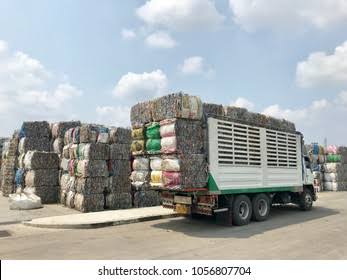
- Truck & Container Fit: Bale dimensions determine how many units you can load into a truck or shipping container. A bale that’s too wide or tall might waste valuable cargo space, forcing you to transport air instead of material.
- Standardized Logistics: Many recycling buyers, especially exporters, prefer bale sizes that align with international shipping standards for easy stacking and handling.
b) Storage Efficiency
- Proper bale dimensions allow for stable stacking in warehouses, reducing the footprint required for storage.
- Consistent sizing improves inventory control and safety when stacking several layers high.
c) Machine Compatibility
- Your baler’s chamber size directly determines bale dimensions. Once the machine is purchased, changing bale size is usually not possible without modifying equipment.
2) Bale Weight: The Economics of Density
Bale weight is directly linked to density — how much material is packed into a given volume. This is affected by the baler’s compression force, material type, and moisture content.
a) Transport Cost per Tonne
- Heavier bales reduce the cost per tonne to transport because each truckload carries more material within the same space.
- Lightweight, loosely packed bales might meet volume limits before weight limits, leading to inefficiencies.
b) Market Value & Buyer Preference
- Buyers often prefer denser, heavier bales because they are easier to handle, store, and process.
- Inconsistent weights can cause disputes in payment, especially when selling by weight.
c) Handling Equipment
- Extremely heavy bales may require forklifts, cranes, or other specialized handling tools. This adds cost but can be worthwhile if it improves efficiency.

3) The Balance Between Size and Weight
A good bale is both optimally sized and adequately dense for your business needs:
- Too large + too heavy: May cause handling issues, exceed forklift capacity, or create safety hazards.
- Too small + too light: Increases handling frequency, raises transport costs, and may be unattractive to buyers.
- Ideal weight that can be manually moved or loaded are from 100kg – 200kg
4) Industry Examples in Nigeria
- PET Bottle Recycling: Standard export-ready PET bales are often around 1.2 × 0.8 × 1.0 m and weigh 250–300 kg. These dimensions fit neatly into 40-foot containers without wasting space.
- Cardboard & Paper Mills: Prefer bales weighing 500–1,000 kg for efficient feeding into pulping systems.
- Scrap Metal Yards: Denser bales reduce theft risk and transport costs, often targeting over 1 tonne per bale.
5) Choosing the Right Baler for Size & Weight Control
When selecting a baling machine, ensure:
- Compression Force matches your material and desired bale density.
- Chamber Size produces bales that match your buyer’s preferred dimensions.
- Adjustable Settings allow control over bale weight by modifying compression cycles.
- Consistent Output is maintained through proper operator training and preventive maintenance.
Recommended Bale Sizes and Weights for Common Recyclables in Nigeria
Choosing the correct bale size and weight is not only about maximizing efficiency — it’s about matching your output to market requirements. Below is a guide you can use when setting up your baling process or purchasing a baler.
Material Typical Bale Size (L × W × H) Average Bale Weight Notes & Market Considerations
PET Bottles (Clear/Light Blue) 1.2 m × 0.8 m × 1.0 m 250–300 kg Common export-ready size; fits well in 40-ft containers; preferred by Nigerian PET buyers for easy stacking and container loading.
HDPE / LDPE Film (e.g., Nylon, Shrink Wrap) 1.2 m × 0.8 m × 1.0 m 200–250 kg Lower density than PET; ensure tight compression to reduce transport inefficiency; moisture content should be minimal.
OCC (Old Corrugated Cardboard) 1.2 m × 0.8 m × 1.1 m 500–800 kg Mills prefer heavier, denser bales to reduce pulping time; avoid contamination to maintain buyer trust.
Mixed Paper 1.2 m × 0.8 m × 1.1 m 400–600 kg Slightly lower weight than OCC; ensure dryness and sorting to increase market value.
Scrap Aluminium (Cans) 0.6 m × 0.6 m × 0.6 m 25–35 kg Small, dense bales make handling easier; buyers may request specific sizes to suit smelting furnaces.
Scrap Ferrous Metal 1.0 m × 1.0 m × 0.8 m 800–1,000 kg+ Very dense; requires high-tonnage horizontal or two-ram baler; handling equipment is a must.
Textiles / Used Clothing 1.0 m × 0.8 m × 1.0 m 45–100 kg Exporters often demand tightly packed, uniform bales; plastic wrapping protects from moisture during transport.
Agricultural Residues (e.g., Maize Stalks, Hay) 1.2 m × 0.8 m × 0.9 m 150–250 kg Usually baled for animal feed or biomass fuel; moisture must be controlled to avoid spoilage.
Key Takeaways
- Match Buyer Specs – Always confirm exact dimensions and weights with your buyer before standardizing production.
- Mind Transport Limits – Nigerian road regulations and truck capacities may influence bale sizing, especially for heavy materials like metals.
- Keep Consistency – Uniform bale size and weight improves loading, stacking, and pricing negotiations.
- Moisture Control – Wet materials are heavier, may cause mould, and can lead to payment deductions from buyers.
- Machine Selection – Your baler’s chamber size and compression force must align with the target bale size and density.
Conclusion
In recycling and waste management, bale size and weight are not just technical specs — they are business variables that directly impact profitability, efficiency, and buyer satisfaction. The wrong bale dimensions can lead to wasted space, higher transport costs, and reduced market appeal. The right bale size and weight, on the other hand, streamline your operations, cut logistics expenses, and make your products more competitive in the marketplace.
When buying a baler or setting production standards, always start with your buyer’s requirements, your storage and transport constraints, and the handling capacity of your equipment. In Nigeria’s competitive recycling market, precision in bale size and weight can be the edge that sets your operation apart.
Reach out to us today at BSMR Engineering Services, Call/WhatsApp – 09036044847. Let’s turn your throughput needs/target into an equipment spec (recommended tonnage, bale size, and automation level)!