Recycling is fast becoming one of the most promising industries in Nigeria. With the growing challenge of waste management and the demand for raw materials by manufacturing companies, starting a recycling business is both a profitable and impactful venture. If you’re considering going into the recycling business, setting up a processing center is a critical step to success.
This guide explains how to set up a recycling processing center in Nigeria, covering planning, equipment, operations, and tips to avoid common pitfalls.
- Understand What a Processing Center Is
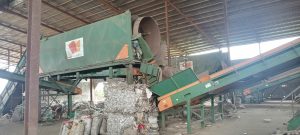
A processing center is the heart of any recycling business. It is the facility where collected waste materials are received, sorted, cleaned, and processed into reusable raw materials. These processed materials are then supplied to manufacturing industries, such as plastic companies, paper mills, or metal foundries.
Think of the processing center as the “factory” that adds value to waste.
- Choose Your Recycling Niche
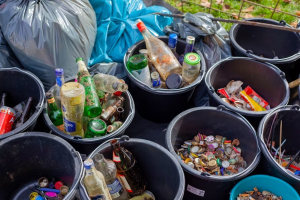 Recycling is broad, so the first decision is to pick the materials you want to process. Common recycling niches in Nigeria include:
- Plastics – water sachets, bottles, containers, nylons.
- Metals – aluminum cans, scrap iron, steel, and copper.
- Paper and Cartons – office paper, old newspapers, cartons, and tissue offcuts.
- Glass – bottles, jars, and broken glass.
- E-waste – electronics, cables, and batteries.
Tip: Start with one or two niches you understand well before expanding. For example, plastic and aluminum cans are in high demand by local industries.
- Get a Suitable Location
The choice of location is important. A processing center should be:
- Close to sources of waste (urban areas, markets, industries).
- Accessible for trucks and suppliers.
- Spacious enough for storage, sorting, and equipment.
- Compliant with local environmental regulations.
You don’t need a high-class site—an industrial zone or a semi-urban area is often ideal.
- Acquire the Right Machines and Tools
The type of machines depends on your chosen recycling niche. Some common equipment includes:

- Plastics: Crusher/grinder, washing line, pelletizer/extruder, drying system.
- Metals: Baling machine, shredders, smelting furnace (optional).
- Paper/Cardboard: Shredder, pulper, baler, drying system.
- Glass: Crusher, pulverizer, furnace (for remolding).
You’ll also need weighing scales, forklifts or trolleys, conveyors, and protective gear for workers.
Many Nigerian fabricators (like Bentonite Standard Machines and Resource Engineering Services) design and build these machines locally at affordable rates compared to imported options.
- Organize Your Processing Workflow
A typical recycling processing workflow includes:
- Collection & Delivery – Waste comes from scavengers, collection agents, or direct purchase.
- Sorting – Manual or semi-automatic separation of recyclables by type, color, and quality.
- Cleaning/Pre-treatment – Washing plastics, removing labels, shredding paper, etc.
- Processing – Crushing, baling, pelletizing, or melting depending on the niche.
- Storage & Packaging – Processed raw materials are packed in bags, bales, or pellets ready for sale.
- Build a Steady Supply Chain
A processing center is only as good as the flow of materials coming in. To secure steady supply:
- Partner with waste pickers and scavengers.
- Set up collection points in markets, schools, and estates.
- Offer incentives for people to drop off recyclables.
- Network with local waste management authorities.
- Secure Off-takers (Buyers)
 Before you start, know who will buy your processed materials. Off-takers could be:
- Plastic manufacturers.
- Paper mills.
- Aluminum and steel industries.
- Exporters of recyclables.
Having ready buyers ensures your business keeps moving without delays.
- Address Legal and Safety Requirements
- Register your business with CAC and relevant environmental agencies (such as NESREA).
- Ensure workers use protective gear (gloves, boots, masks).
- Implement proper waste handling and storage practices to avoid pollution.
- Follow local guidelines on waste management and recycling.
- Common Challenges and How to Avoid Them
- Inconsistent supply of waste: Build strong relationships with suppliers.
- Poor quality of recyclables: Invest in proper sorting and cleaning systems.
- Breakdown of machines: Work with reliable fabricators and schedule regular maintenance.
- Lack of buyers: Research your market before investing heavily.
- Final Thoughts
Setting up a processing center for recycling in Nigeria requires planning, investment, and commitment, but the opportunities are massive. Beyond profit, you’ll also be helping to clean the environment and create jobs.
Start small, get the basics right, and scale up as your capacity and demand grow. With the right strategy, your recycling processing center can become a sustainable business that makes a lasting impact.
👉 For further inquiries on starting your recycling business or purchasing the right equipment for your operation contact us via call/WhatsApp on 09036044847